Developer - Infrastructure as a code
Quick course info
Format
—
1 session of 3 hours, in-person training or live-virtual
Duration
—
3 hours
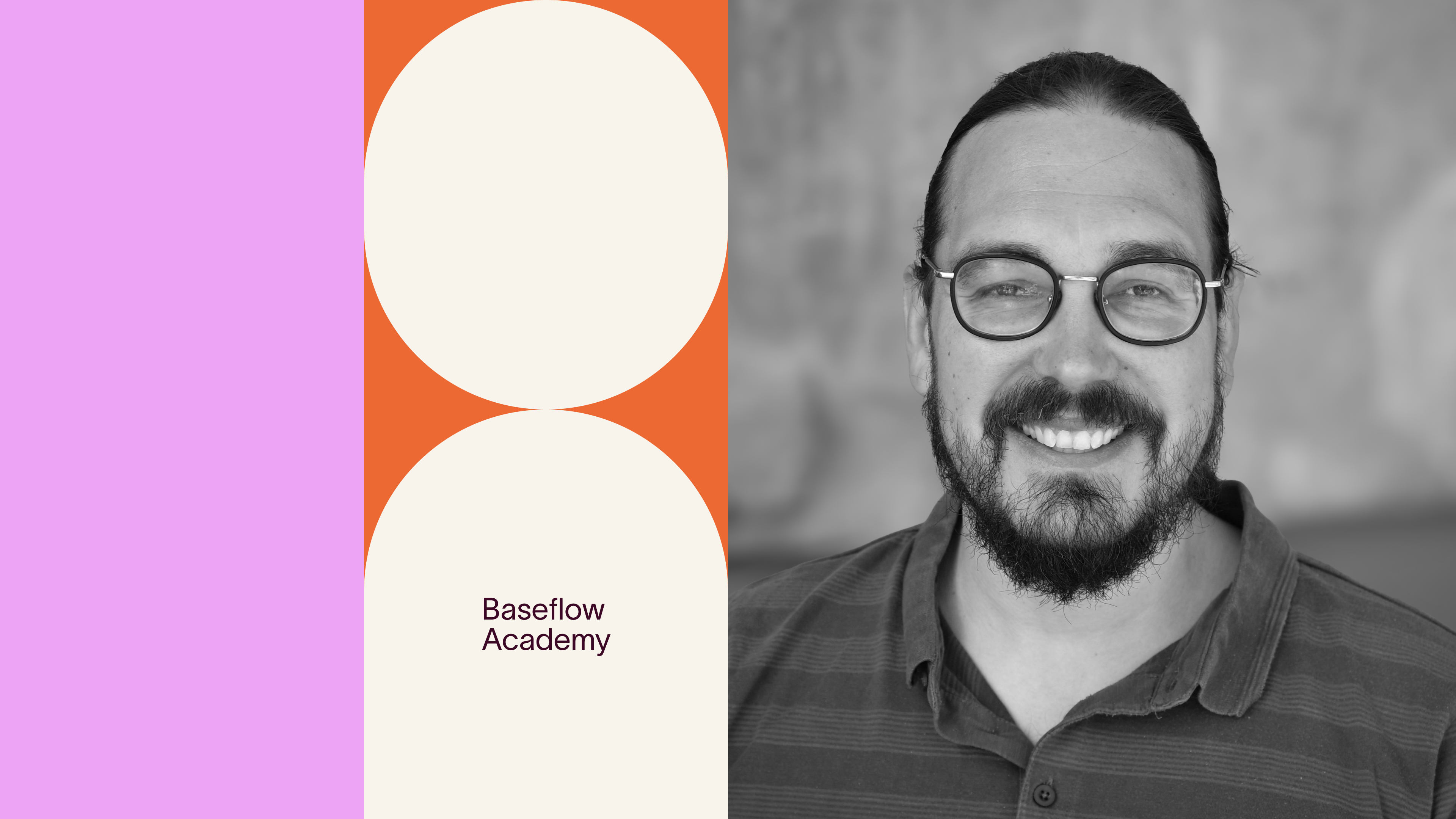

Trainer

Infrastructure as Code transforms your infrastructure into a versionable, reproducible software asset. In an era where downtime is costly and consistency is key, reliance on manual server configuration is a liability. However, automating infrastructure requires a shift in mindset, not just a new toolset. This workshop bridges the gap between simple scripting and enterprise-grade automation. We will dive deep into creating reusable modules, managing complex dependencies, enforcing security policies as code, and ensuring your infrastructure is as testable as your applications.
Who should join
System Administrators, Operations engineers, DevOps engineers, Cloud engineers, platform engineers, team leads, and architects who want to learn how Infrastructure as Code can help reduce infrastructure liabilities and keep their operations running smoothly.
What you'll walk away with
- Identifying the risks of “ClickOps” and understanding why manually configuring servers via a webportal leads to “configuration drift” and security holes.
- A clear understanding of IaC concepts like Declarative vs Imperative, Idempotency, and State Management.
- Hands-on experience deploying your first piece of infrastructure.
- Mastering the “Destroy and Rebuild” cycle by learning the power of reproducibility.
- Insights into how treating infrastructure like software allows you to track changes, rollback mistakes, and improve team collaboration.
Curriculum overview
Level 1 – Infrastructure as Code Basics
- Introduction to Infrastructure as Code. What is it, and why do we need it?
- Terminology explanation
- Solutions and tools to help your infrastructure as code implementations.
- Getting started, your first deployment
- State management - the holy trinity
- Team collaboration: how reviewing and versioning can secure your infrastructure better
- Reproducibility: the same input must result in the same output, without side effects.
Learning Outcomes
- Choose and implement containerization strategies with confidence.
- Best practices applied within your containers.
- Improved team collaboration using containers.
- Food for thought on your current laptop and server configurations.
Prerequisites
No prerequisites needed.
Get more course information
Other courses
Leadership – Product culture
Format
1-day in-person training
Duration
8 hours
Discovery - working with UX
Format
2-day in-person / 4 live-virtual sessions
Duration
2 days
Developer - git academy
Format
2 sessions of 2 hours
Duration
4 hours total
Product ownership - advanced
Format
2-day in-person / 4 live-virtual sessions
Duration
2 days
Tell us where you want to go. We'll help you get there.

Big project or small question, we're happy to talk it through. Coffee included.
