01
Workshop
An intensive day on location about concepts and techniques. Interactive and hands-on.
Learning Journey
Product Owners and Product Managers get better at their craft together. Not in a room full of slides, but on the products they work on every day.
6 to 8
months
2 to 3
days a month
6 to 10
colleagues per group
7
modules
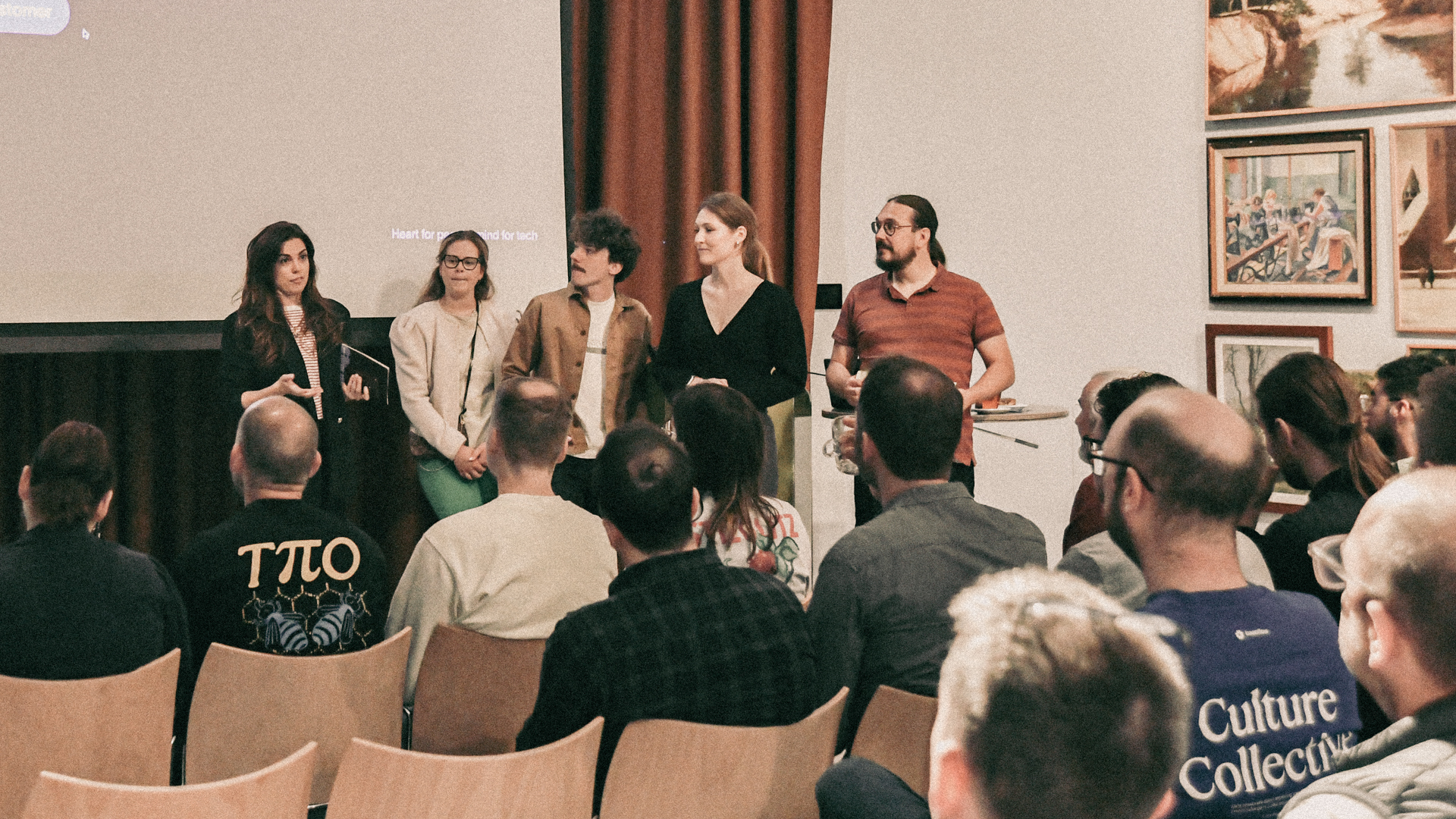
For whom
Product Owners, Product Managers and similar product roles. People who work on digital products, services or applications and want more impact on customer value and on the organisation.
What we ask of you
You can only be a good teacher if you walk the talk every day.
That's why practitioners lead the sessions. And that's why we work on your own cases.
The journey
Seven modules that together cover the whole product cycle.
Start
The journey starts with a kick-off. You get to know each other, score your product capabilities and write your own learning contract. Where do we stand, where are we going and what does success look like?
01
Role, vision and storytelling
Who does what? You define the roles of Product Owner and Product Manager clearly, and what it costs to split them. Then you work on product vision, strategy and tactics, and learn to really move stakeholders with storytelling.
Topics and outcomes
02
The foundation of value
A clear product definition and an agile Lean UX mindset. You explore the user with personas, map the experience with customer journey mapping and test assumptions in no time with experiments and rapid prototyping.
Topics and outcomes
03
Realising value
Realising value effectively, through iterative and incremental product development and well-run backlog management. Story mapping gives you structure, and clear goals and prioritisation keep the focus on results.
Topics and outcomes
04
The engine room
You dive into the engine room of value delivery and look at the whole system, not just development. You get to grips with CI/CD, automation and flow, and look critically at metrics and bottlenecks.
Topics and outcomes
05
From data to insight
You make success visible, with business, product and delivery metrics. You link data to roadmapping and work in a data-driven way, so raw information turns into guidance you can act on.
Topics and outcomes
06
From cradle to grave
From a good internal go-to-market to responsible phase-out. You manage governance, compliance and release trains, and learn to recognise when a product has lost its value and how users switch safely.
Topics and outcomes
07
Stakeholders and decision-making
Effective stakeholder management is the essence of the work. You get good at saying no, building support and keeping course amid conflicting interests. With sharper decision-making you gain impact and control.
Topics and outcomes
F
The road to mastery
One experience outside the room instead of an exam: the monastery, the sailing boat or the dojo. The group chooses.
Read how the journey endsPer module
01
An intensive day on location about concepts and techniques. Interactive and hands-on.
02
Two to four weeks to apply it to your own product, with personal reflection and coaching.
03
Reflection with the whole group and a short presentation, online. Two to four hours.
In total, 2 to 3 days a month, including the practical assignment.
The finale
It ends with one day outside the room, chosen by the group. The aim: from intention to action.
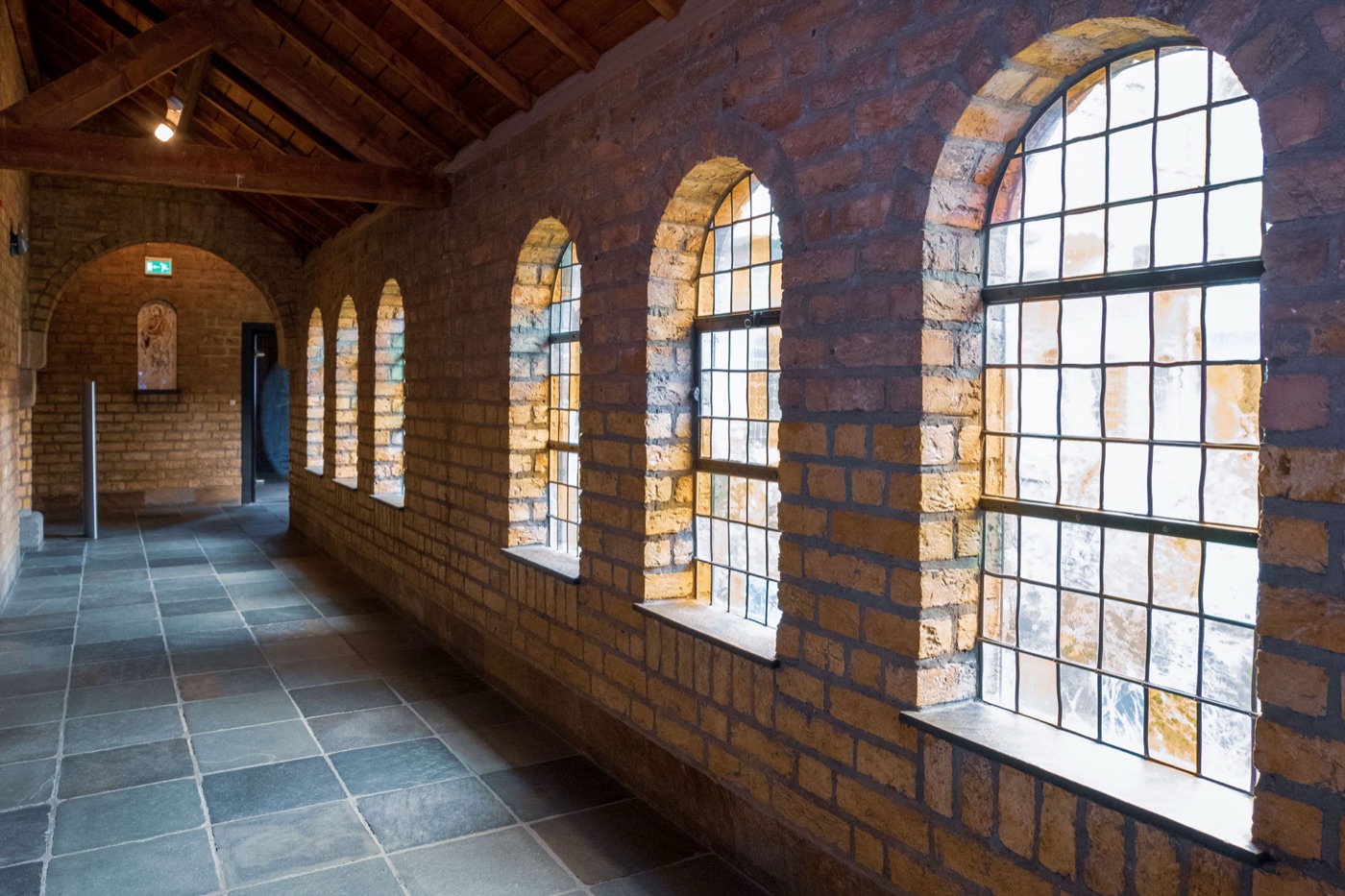
Dolphia Klooster, Enschede
A deep exploration of personal barriers and authentic leadership, with an honest look at your own assumptions.
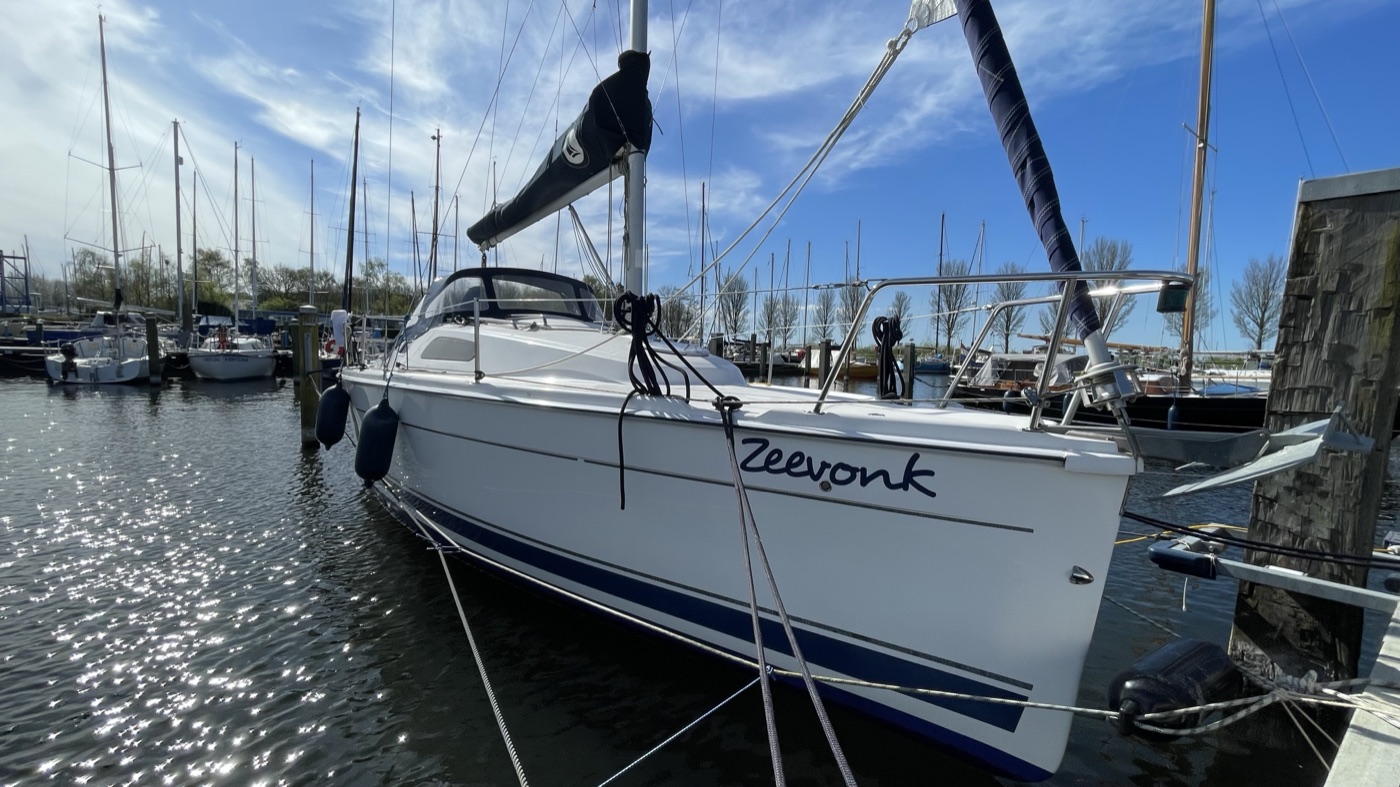
Lelystad Houtrib
Navigating uncertainty and defining roles: the Product Manager at the helm, the Product Owner working the sails. Under the guidance of an ICC-certified skipper.
Weather and season permitting.
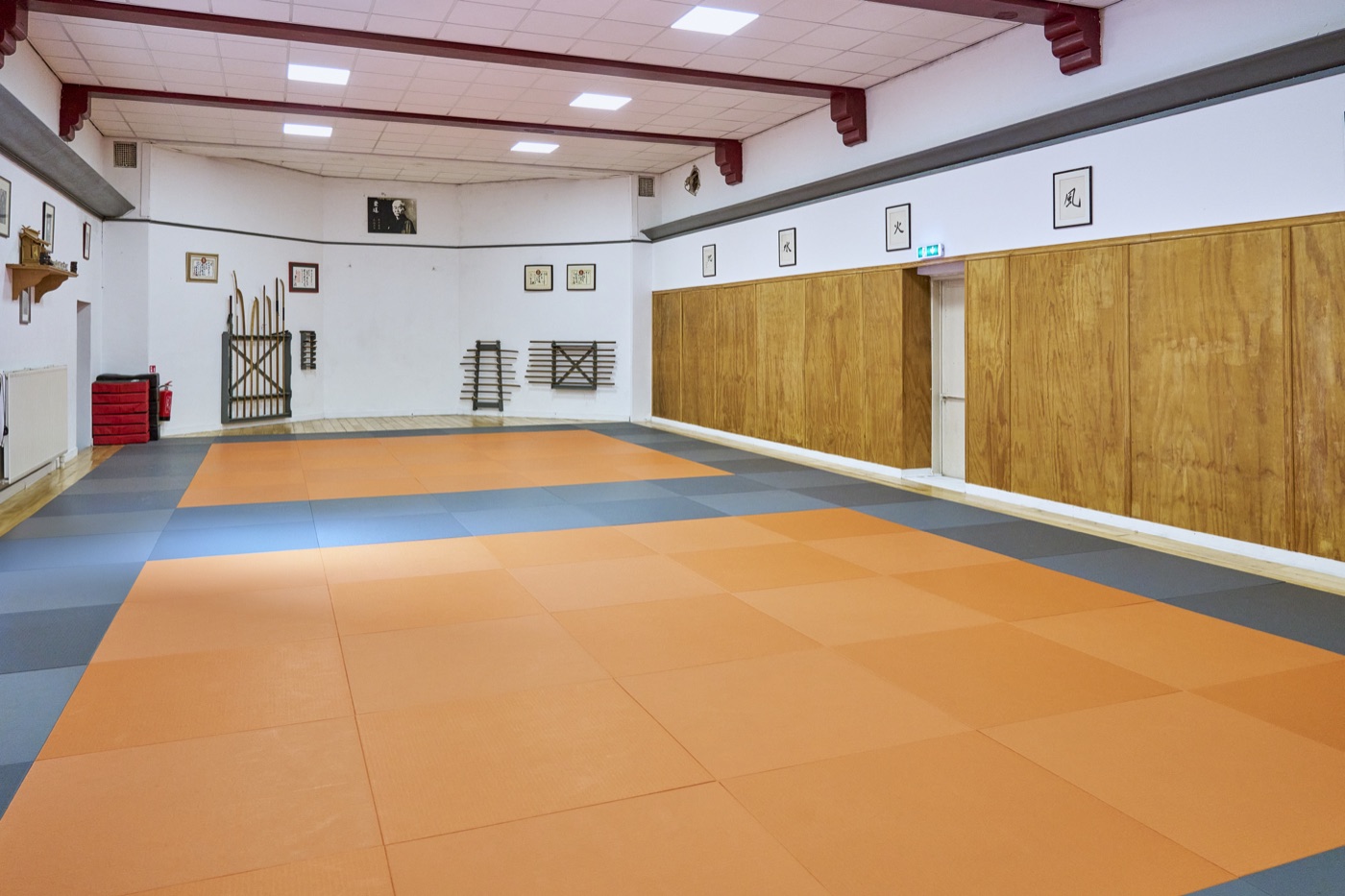
Sakura Budo, Apeldoorn
What martial arts teach you about dealing with resistance in leadership. Under the guidance of a trainer certified by the Dutch Judo Federation (JBN).
Example: the monastery
01
You leave the noise of work behind and step into a safe place. What is said in confession stays in confession.
02
You take a recent challenge and dig deeper: which assumptions did you make, which conviction did it touch? And then: what change do you stand for?
03
At the table with a buddy. Which values drive you, and how have you shaped your role so far?
04
You lead a blindfolded traveller through a maze and then practise two difficult conversations. Leading starts with moving along with the other person.
The day ends with a covenant: the three things you will really change, concrete and measurable. A buddy calls you every week to ask how it's going. No excuses.
Result
Certification: you receive a certificate for the journey. We can also organise the Scrum.org exams PSPO I, PSPO II, PPDV and PAL-EBM, if you want them.
Proof

Enexis
VWE
IVO Rechtspraak
“The practical stories made the material and theory very clear and enjoyable. Chris is an outstanding trainer and experienced practitioner that I have now had the privilege to learn from twice.”
Gerald C · participant, training
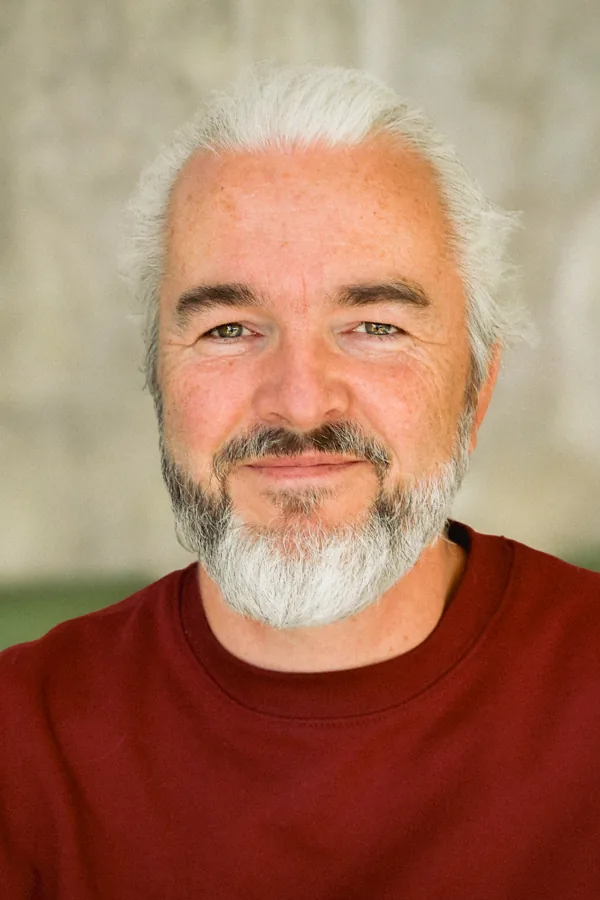
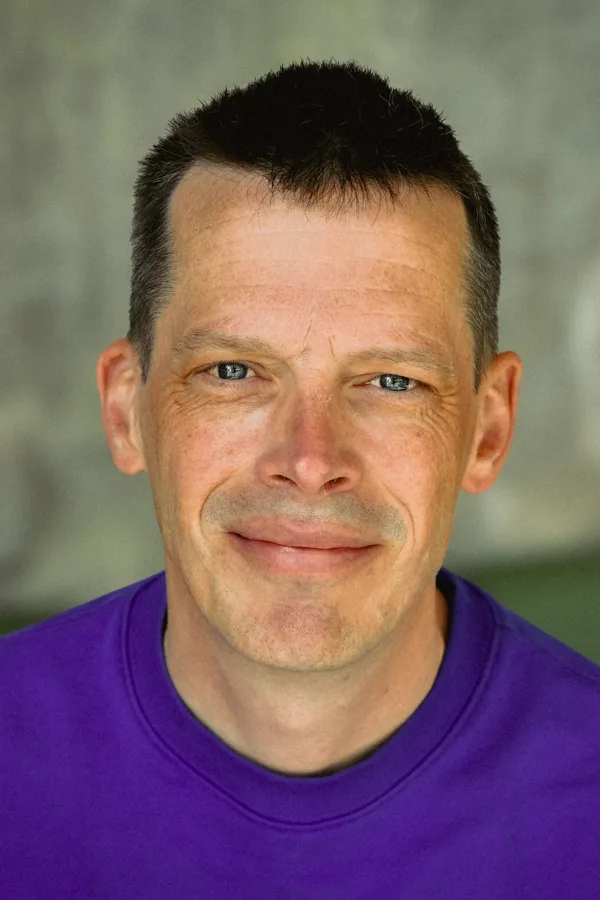
Trainers
What it costs depends on the size of the group and how much we tailor to your organisation. After a conversation we make a proposal.
Call usIn-company. We run the programme at your organisation, for a group of six to ten people from the same part of the organisation. That keeps everything relevant to your context.
Two to three days a month, including the practical assignment and peer reflection. The whole programme takes six to eight months.
Yes. We connect the content to your context, work with your own cases and can bring in internal guest speakers.
With a kick-off where we work out where you stand, where you are going and what success looks like. Then the seven modules follow.
With one day outside the room, chosen by the group: the monastery, the sailing boat or the dojo. The aim of that day is to get from intention to action.

Tell us where you stand. Then we'll see together whether a journey helps.

Heart for people, mind for tech