Case study - Asito
Built for thousands of cleaners, scaled for the enterprise
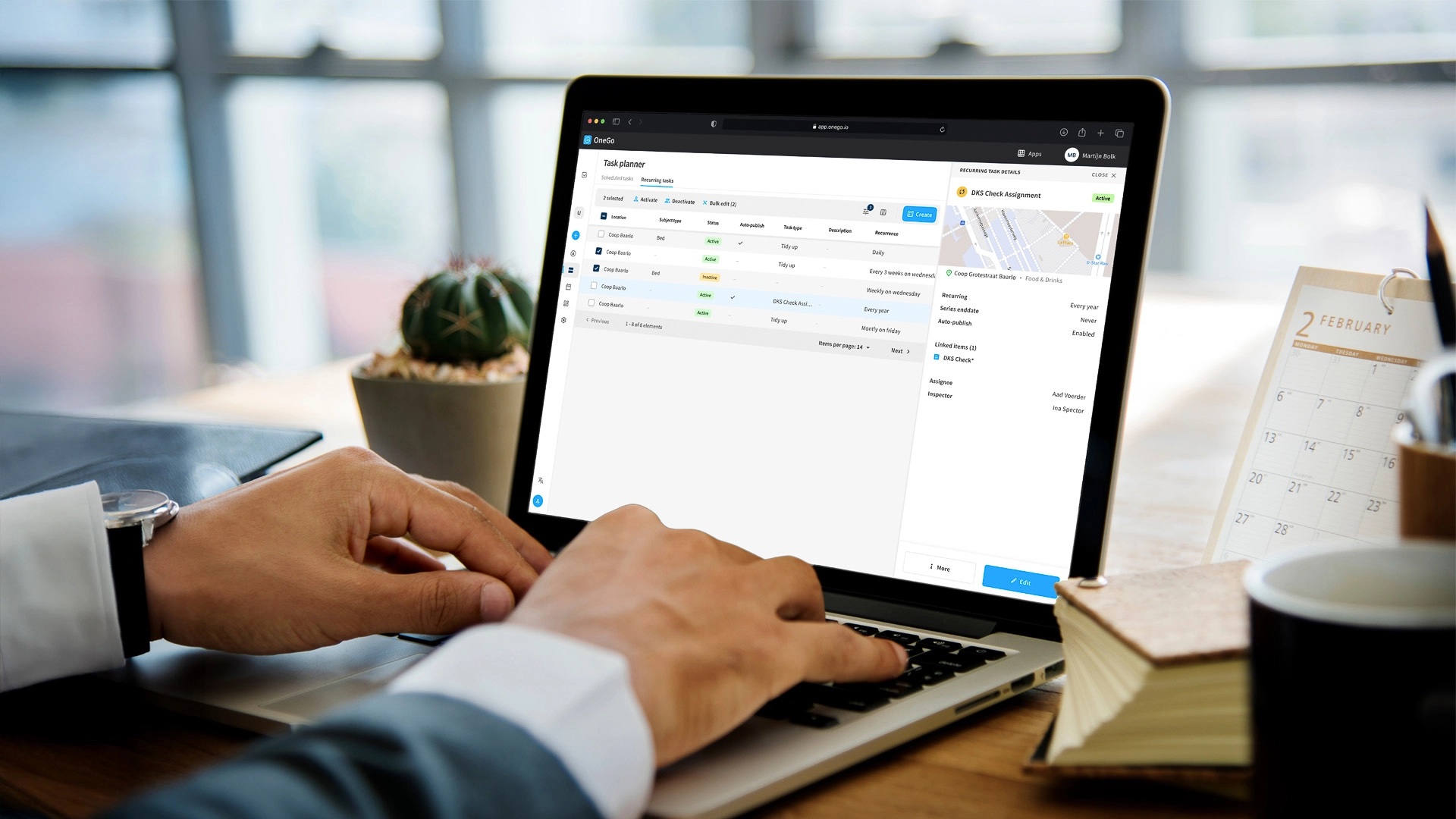

Background: A Service Provider in Motion
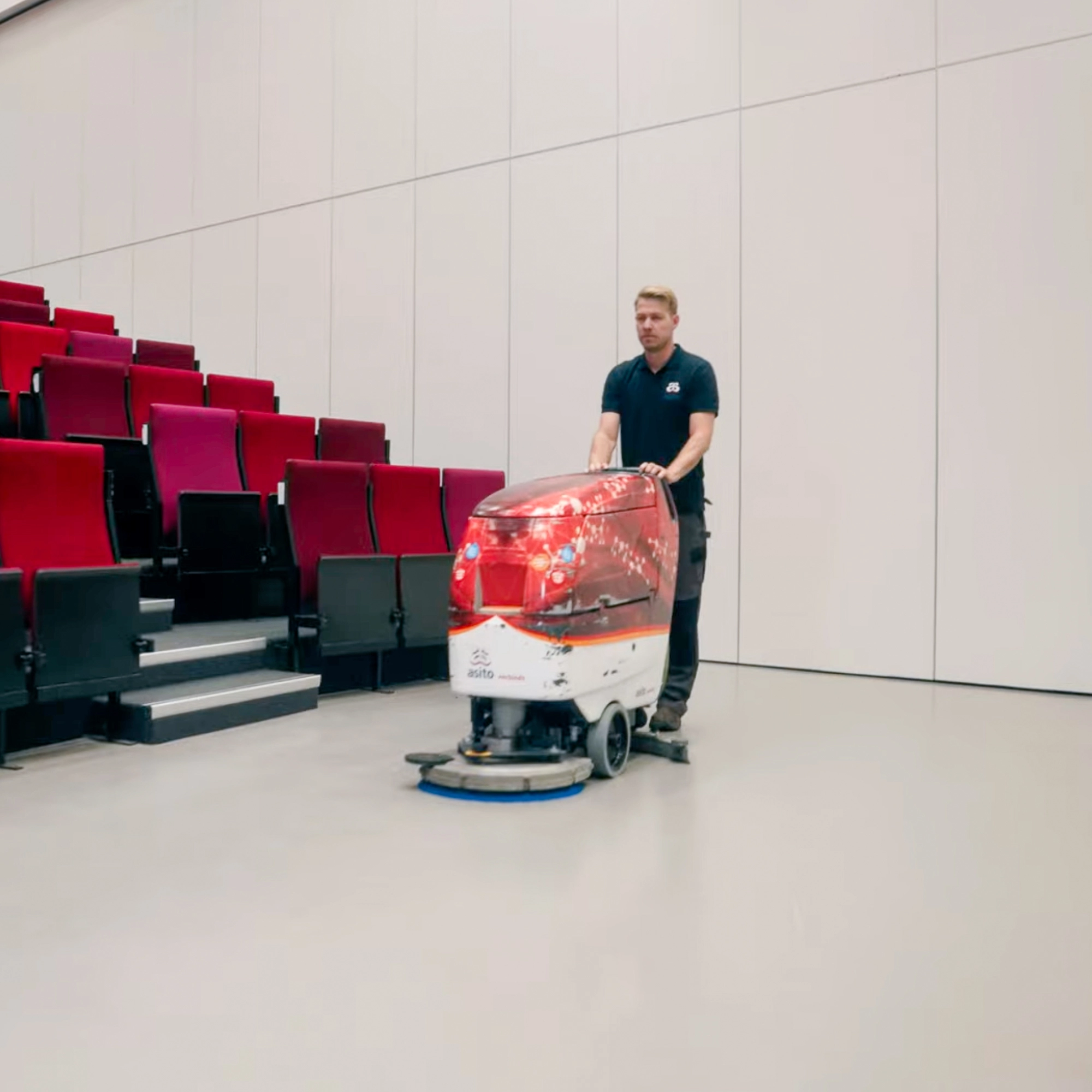
Asito is one of the largest facility service providers in the Netherlands, operating at locations such as NS train stations, universities, and airports like Schiphol. As a market leader in cleaning services, Asito continuously looks for ways to optimize processes, professionalize its services, and better support employees on the work floor.
The challenge
Reports and tasks handled manually and inefficiently
Limited visibility into who needs to do what and where
Multiple user groups with limited digital skills
No standard software that matched Asito’s specific processes
Need for a scalable platform for 80+ locations and thousands of users
The ambition: To build what centrally manages reports, tasks, and assets, works effortlessly on the work floor.
Approach: Starting Small, Creating Big Impact
Baseflow and Asito worked side by side in a multidisciplinary team, including developers, a product owner, and a strategic technical sparring partner from Baseflow. Our focus was primarily on the Technology, Strategy, and Autonomy axes of the Oxygen model.
We worked on:
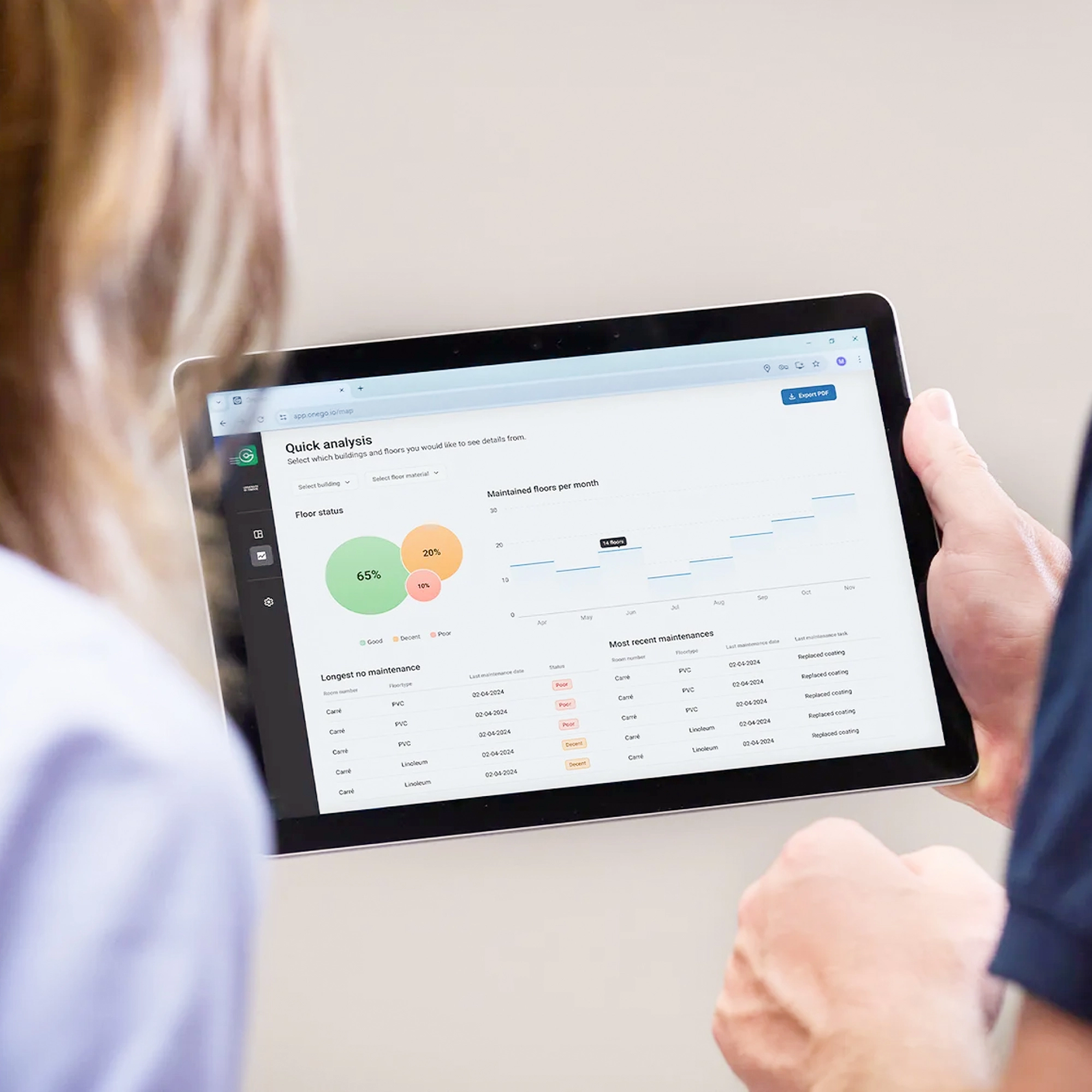
Developing a mobile app (Flutter) and web application for different user groups
Building a scalable backend architecture based on microservices
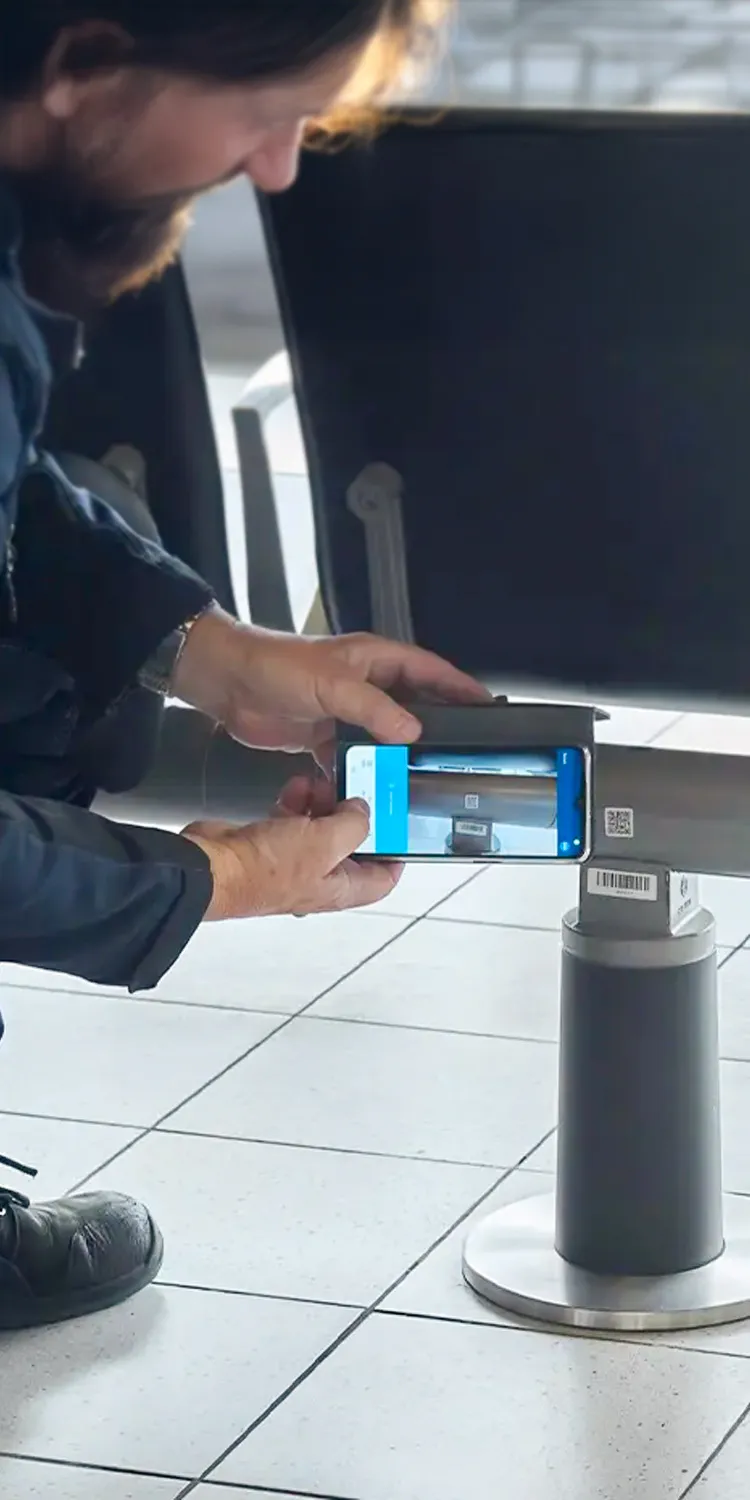
AI integration for photo-driven reports
Development of the Vloermeester product (a new vertical)
Ongoing roadmap sessions and on-site validations
Flutter on the Frontline: The Interface of a Deeply Technical Platform
While the core of the One Go platform lies in a backend with a complex microservice architecture, real-time data streams, and deep integrations with systems such as NS and Droomparken, Flutter plays an essential role at the front end. It is the layer that thousands of end users interact with daily, translating the complexity of the platform into simplicity, clarity, and speed.
At Baseflow, technology choices are never imposed top-down. They are made as a team based on product vision, user context, and future scalability. For the mobile layer of One Go, this evaluation led to the choice for Flutter: fast, intuitive, maintainable, and powerful enough to present complex backend information in real time as part of our end-to-end engineering approach.
By combining technical expertise with pragmatic process advice, the collaboration quickly became visible in daily operations: less friction, more visibility, and higher quality.
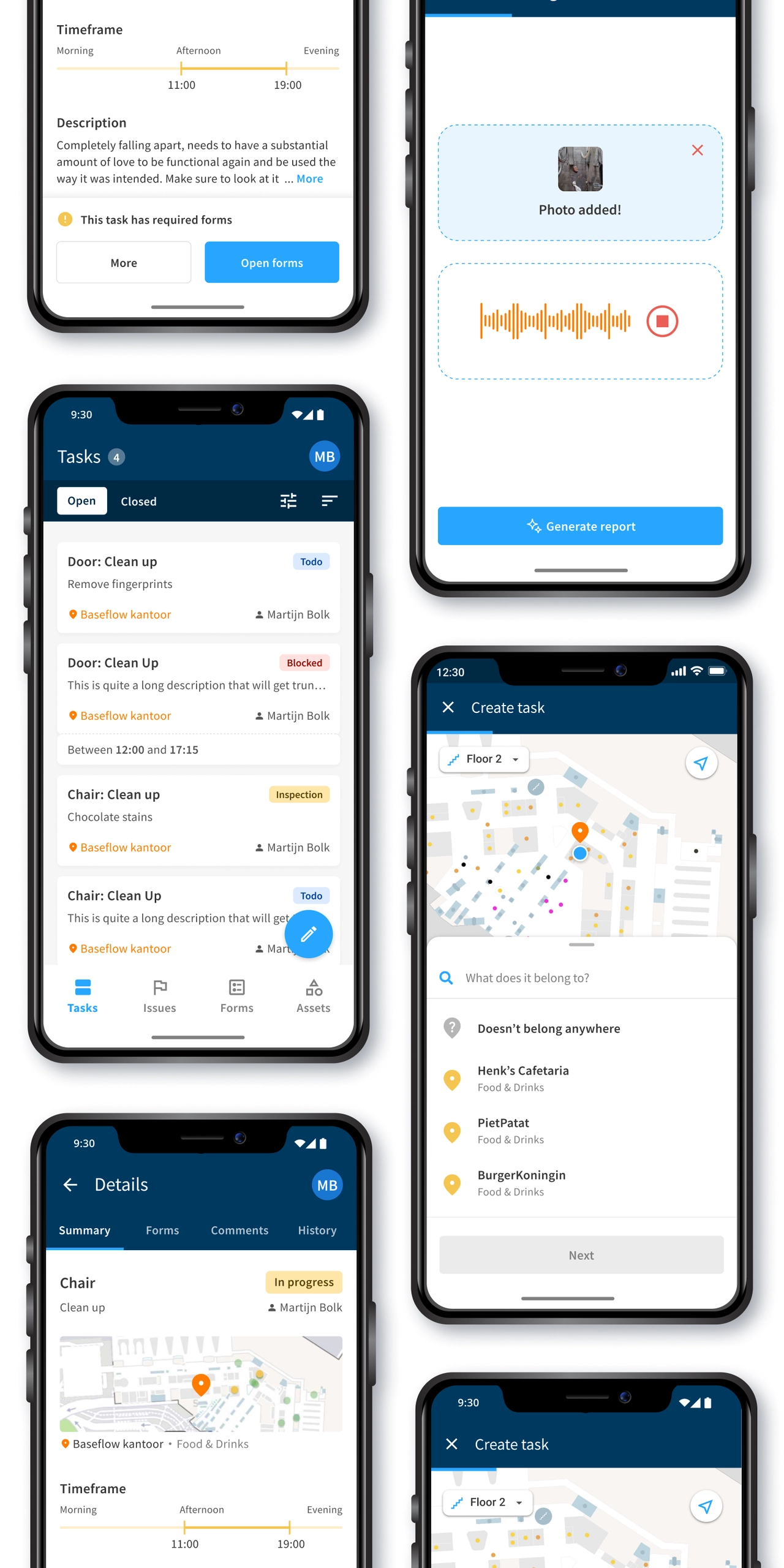
Three Different Apps on Top of a Highly Complex Engine
Three applications, OneGo, My Tasks, and Vloermeester, run on top of a powerful backend ecosystem. The Flutter app communicates with a large ecosystem of backend services, including:
Allowing NS service desk tickets to appear live in the application and be handled immediately.
Processing and distributing reports, tasks, assets, roles, and workflows.
Classifying photos, automatically categorizing reports, and suggesting task types.
The Flutter app therefore acts as a lightweight interface on top of a powerful engine, built to handle data-intensive operations without exposing that complexity to the user.
Fast Testing, Fast Learning
Flutter enabled the team to validate new features extremely quickly on the work floor. Whether it was photo uploads, reports, offline usage, or task flows, cleaners at stations and parks could test new functionality within days.


Strategic Advantage for the Future
By using Flutter as the mobile interface, the platform delivers a consistent experience across hundreds of locations and thousands of devices.
Updates can be rolled out simultaneously, UX patterns remain recognizable, and new modules like Vloermeester can easily be added.
Flutter is not the foundation of the platform — that foundation lies in the backend — but it is the crucial layer that makes the platform’s intelligence visible and usable for people on the work floor.
Technology
Autonomy
Strategy
Partnership in practice: building relevance together
The collaboration between Baseflow and Asito goes beyond project delivery. It is a partnership based on mutual trust, shared ownership, and a joint drive for innovation. From the very first sessions, the focus was not on the product itself, but on a shared ambition: building a solution that truly adds value on the work floor.
Asito brings domain knowledge, process insights, and access to users.
Baseflow contributes technical expertise, product vision, and scalable thinking. Together, this results in co-creation across the entire process.
The collaboration is flexible in execution but long-term in vision. Feedback loops are short, validations happen on location, and decisions are made with growth, adoption, and future-proofing in mind.
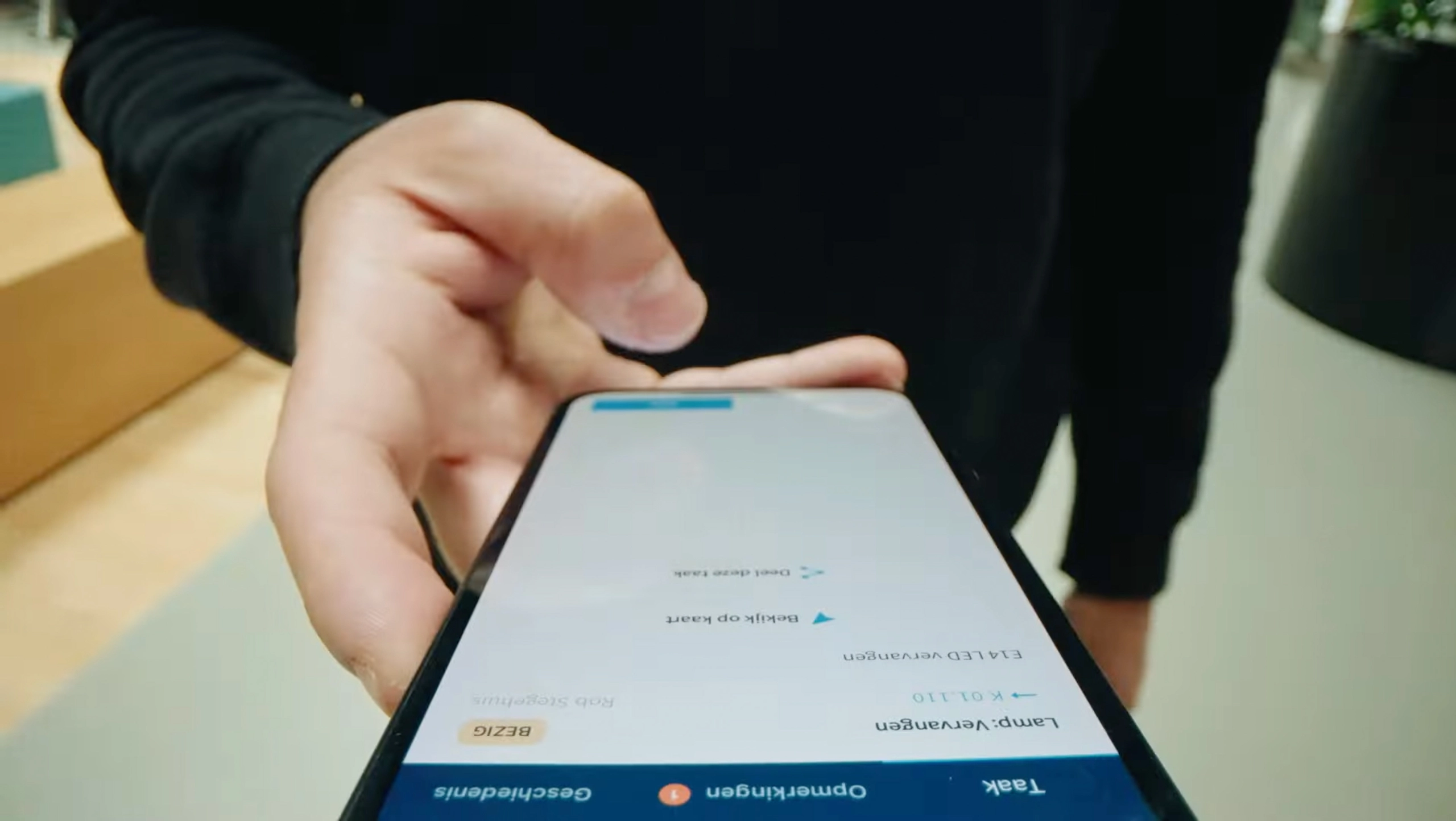

Looking Ahead: The Power of Scale and Intelligence
The collaboration is evolving along two strategic lines:
Essential for scaling to 2000+ workspaces.
From voice input to automatic report categorization.
In summary
OneGo demonstrates how a service provider can become a digital frontrunner by building intelligently, working iteratively, and trusting a partner that bases technical decisions on context rather than preference.The collaboration between Asito and Baseflow is one of equality, strategic sharpness, and shared responsibility.



Tell us where you want to go. We'll help you get there.

Big project or small question, we're happy to talk it through. Coffee included.
